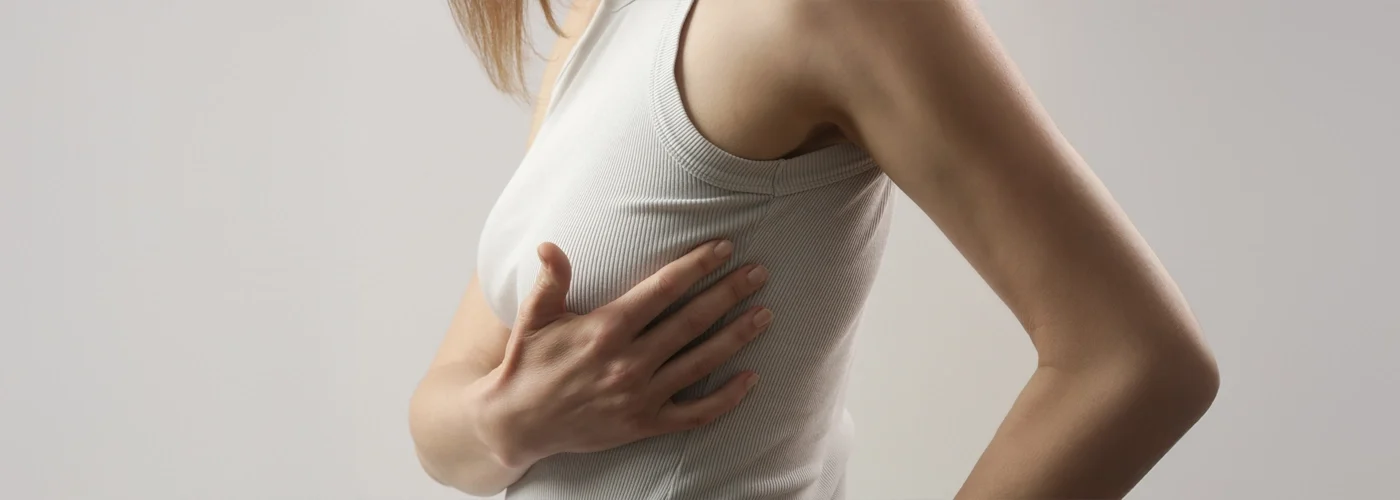
Breast ptosis is one of the most common aesthetic concerns among women and can occur at different ages. Many individuals who search for causes of breast ptosis are not only looking to understand why it happens, but also seeking an effective, long-lasting, and safe treatment. Identifying the exact causes of breast ptosis is essential not only for choosing the right treatment method, but also for preventing further progression.
In this comprehensive and specialized article, we examine the causes of breast ptosis, the scientific grading system of breast ptosis, treatment options based on severity, and how to choose the most appropriate surgical technique. We also explain the specialized approach to treating breast ptosis by Dr. Daryani.
What Is Breast Ptosis and How Is It Diagnosed?
Breast ptosis occurs when the position of the nipple falls below the inframammary fold (IMF). The main criterion for determining the severity is the location of the nipple in relation to this natural crease. Sometimes, individuals confuse volume loss or breast deflation with ptosis; however, breast volume may decrease while the nipple remains in a normal anatomical position.
Accurate identification of the causes of breast ptosis and precise measurement of nipple displacement form the foundation for selecting the appropriate treatment. A detailed evaluation by a board-certified plastic and aesthetic surgeon plays a decisive role in achieving optimal results.

4 Causes of Breast Ptosis
Understanding the causes of breast ptosis is the first and most important step in proper treatment. Ptosis is usually the result of multiple contributing factors. Below are the most significant ones.
1. Aging and Loss of Skin Elasticity
Aging is the most common of the causes of breast ptosis. As we age, collagen and elastin production decreases. These two proteins are responsible for skin firmness and flexibility. When they decline, the skin loses its elasticity and breast tissue can no longer maintain its original shape.
This process is natural, but its intensity varies among individuals. In some cases, the causes of breast ptosis may appear at a younger age due to reduced skin quality.
2. Pregnancy and Breastfeeding
Pregnancy is one of the most significant structural factors affecting the breasts. During this period, breast volume increases considerably. After breastfeeding ends, the sudden reduction in volume may leave excess skin behind. If the skin cannot retract sufficiently, ptosis develops.
In many cases, the causes of breast ptosis after pregnancy involve a combination of skin stretching, hormonal changes, and reduction in glandular tissue volume.
3. Significant Weight Fluctuations
Repeated cycles of weight gain and weight loss weaken the supportive structure of the breasts. Weight gain stretches the skin, and weight loss may leave it lax. Repetition of this cycle can damage breast tissue and become one of the causes of breast ptosis, even at younger ages.
4. Genetics and Connective Tissue Quality
Genetics play an important role in determining skin quality and connective tissue strength. Some individuals naturally have thinner skin or lower elasticity. In such cases, the causes of breast ptosis may be largely genetic, even without pregnancy or major weight fluctuations.

Breast Ptosis Grading System
To choose the best treatment, breast ptosis is divided into three main grades. Determining the grade helps the surgeon make the most precise therapeutic decision.
Grade 1 (Mild)
At this stage, the nipple is slightly below the inframammary fold but still points forward. In most cases, the causes of breast ptosis at this level are mild and mainly related to slight volume reduction or early skin quality decline.
Grade 2 (Moderate)
Here, the nipple is positioned further below the inframammary fold and begins to point downward. Ptosis is clearly visible and usually cannot be fully corrected without surgery. The causes of breast ptosis in this grade are often a combination of pregnancy, aging, and weight fluctuations.
Grade 3 (Severe)
In the most advanced stage, the nipple points completely downward and a significant amount of excess skin is present. At this point, the causes of breast ptosis are typically multifactorial and advanced, requiring specialized surgical correction.
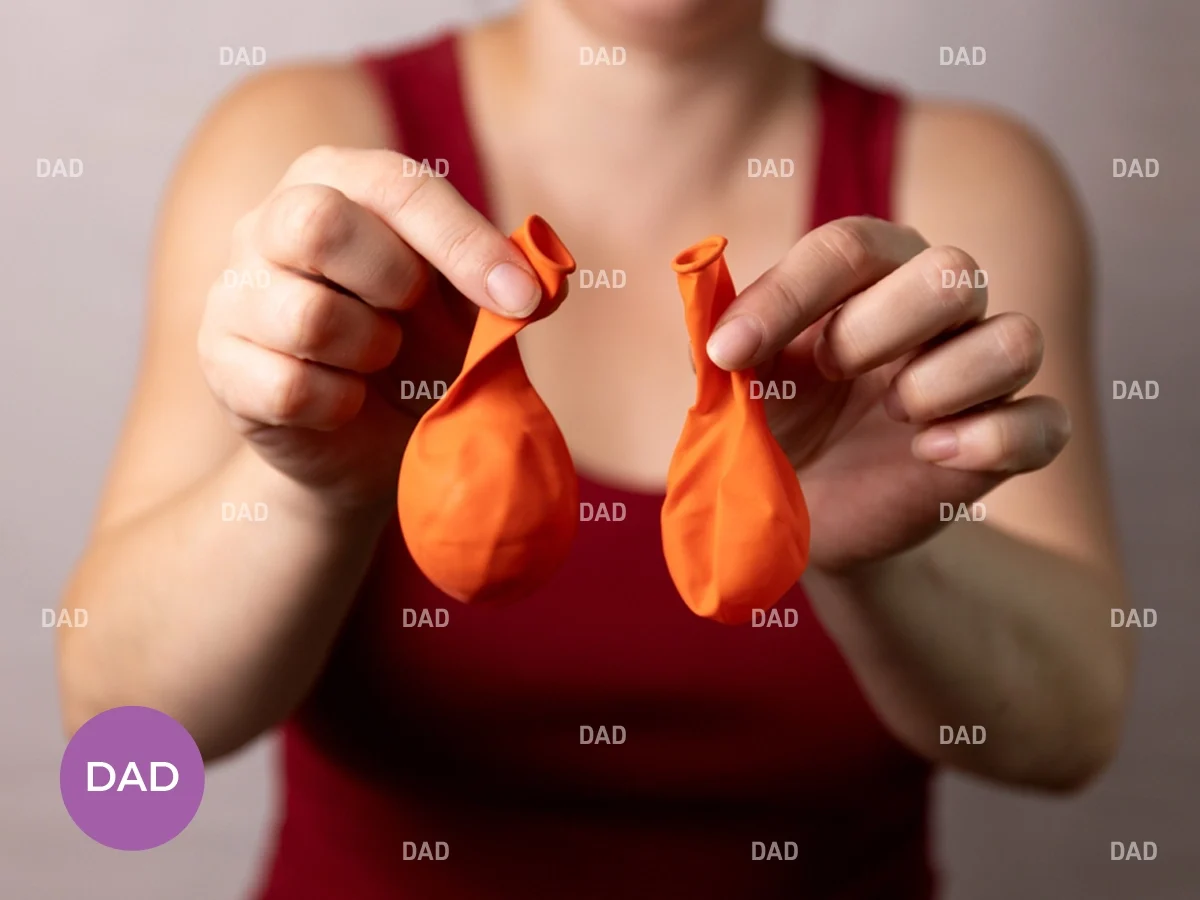
Treatment of Breast Ptosis Based on Severity
Treatment should be selected according to the causes of breast ptosis and its severity. Choosing an inappropriate method may not produce the desired outcome.
Treatment for Grade 1 (Mild)
When the causes of breast ptosis are mild, breast implants can partially improve breast shape. Increasing volume stretches the skin to some extent and may elevate the nipple slightly.
However, implants do not replace a breast lift in moderate or severe ptosis and are effective mainly in Grade 1 cases.
Treatment for Grade 2 and 3 (Moderate and Severe)
In these stages, a breast lift (mastopexy) is usually necessary.
If the breasts are large and heavy: Breast reduction combined with lifting is recommended.
If the breasts are small or have low volume: A combination of breast lift and implants is performed to correct nipple position and restore adequate volume. In this procedure, excess skin is removed, breast tissue is reshaped, and the nipple is repositioned higher.
Breast Lift vs. Breast Implants
One of the most common questions when researching the causes of breast ptosis is which method is more suitable. The answer depends on anatomical conditions, the grade of ptosis (1, 2, or 3), and the patient’s expectations. Treatment selection must be fully personalized and based on professional evaluation.
Dr. Daryani, recognized as one of the best breast implant surgeons in Tehran, performs a thorough assessment of skin quality, degree of ptosis, and breast tissue volume. Based on scientific judgment and the patient’s aesthetic goals, he selects the safest and most appropriate technique to achieve optimal shape, symmetry, and long-lasting results.
Breast Implants:
-
Increase volume
-
Suitable for mild ptosis
-
Do not remove excess skin
Breast Lift:
-
Repositions the nipple
-
Removes excess skin
-
Suitable for moderate and severe ptosis
In some patients, combining both techniques provides the best outcome.
Is There a Non-Surgical Treatment for Breast Ptosis?
Many individuals who learn about the causes of breast ptosis seek non-surgical options. The reality is that once nipple displacement and excess skin are present, non-surgical treatments such as creams, lifting devices, or exercises cannot eliminate excess skin.
Exercise can strengthen the underlying chest muscles, but it does not directly correct breast ptosis.
Longevity of Breast Ptosis Surgery Results
If the causes of breast ptosis are accurately diagnosed and the proper surgical technique is selected, results are typically long-lasting. The natural aging process continues, but a complete return to the pre-surgical condition is uncommon.
Following post-operative care instructions, maintaining stable weight, and wearing appropriate supportive bras all contribute to preserving results.
How Is Breast Ptosis Surgery Performed?
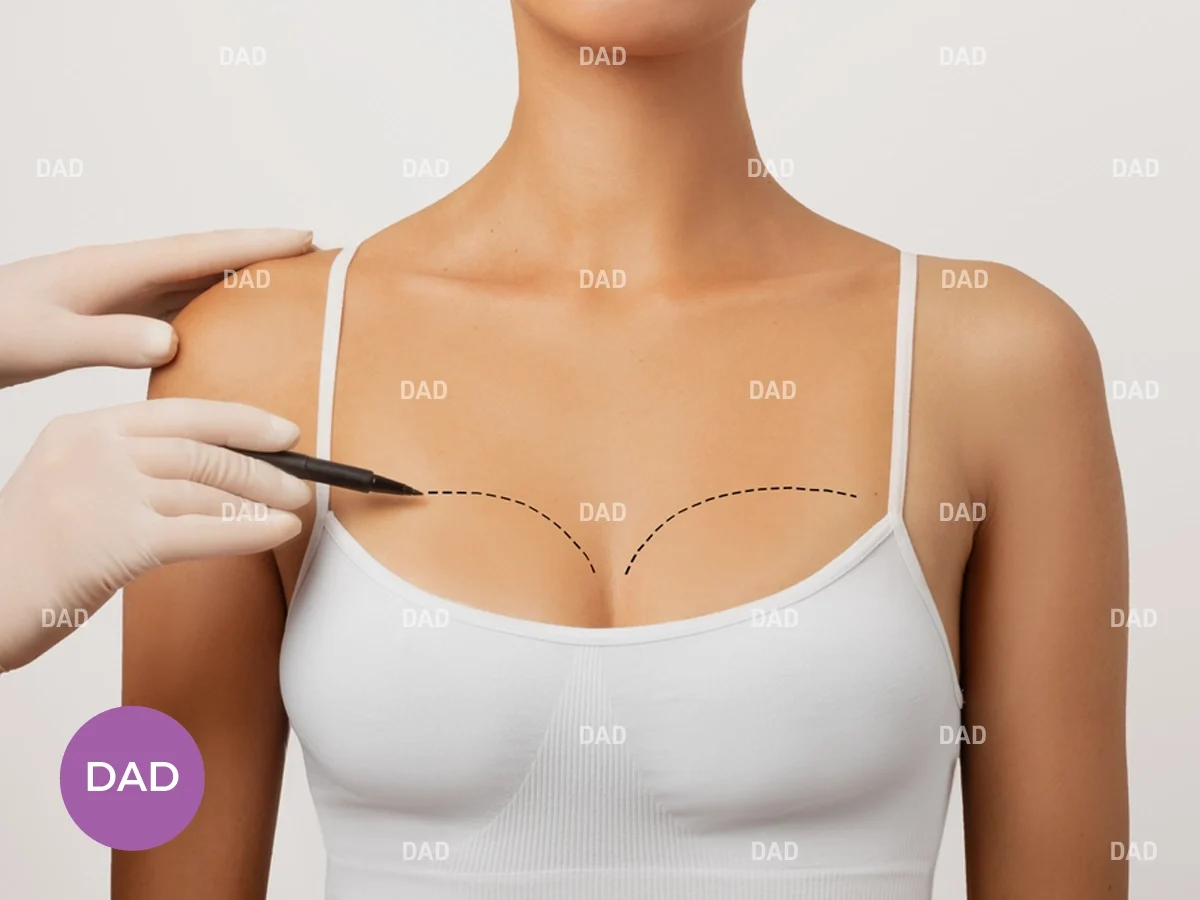
The type of surgical incision depends on the severity of ptosis. Mild grades may require limited incisions, whereas more severe cases may involve vertical or anchor-shaped incisions. The choice of technique is based on the causes of breast ptosis, the grade of ptosis, and individual anatomy.
Why Is Choosing the Best Surgeon Crucial in Treating Breast Ptosis?
Because the causes of breast ptosis differ for each individual, treatment must be fully customized. The expertise of a plastic and aesthetic surgeon in accurately diagnosing the grade, selecting the appropriate technique, and designing a natural breast contour directly impacts the final result. An experienced surgeon corrects ptosis while maintaining overall body harmony for a balanced and natural appearance.
Breast Lift and Ptosis Treatment by Dr. Daryani
At Dr. Daryani’s clinic, the causes of breast ptosis are first evaluated thoroughly and professionally. After assessing the grade of ptosis, skin quality, tissue volume, and patient expectations, the most suitable treatment plan is recommended.
Key features of treatment by Dr. Daryani include:
-
Precise grading of breast ptosis
-
Selection of technique tailored to body anatomy
-
Design of natural and proportionate breast shape
-
Use of low-scar techniques
-
Comprehensive pre-operative consultation
-
Careful post-operative follow-up
The primary goal is to achieve natural, symmetrical, and long-lasting results that enhance both appearance and self-confidence.
Frequently Asked Questions About the Causes of Breast Ptosis
Can exercise eliminate the causes of breast ptosis?
No. Exercise strengthens the chest muscles but does not remove excess skin or correct nipple displacement.
Can surgery be performed after breastfeeding?
Yes. After breastfeeding has ended and weight is stabilized, surgical correction can be considered.
Do implants cause recurrent ptosis?
When the appropriate implant size is selected and proper surgical techniques are used, the risk of recurrent ptosis is significantly reduced.
What is the best age for a breast lift?
After breast development is complete and when there are no immediate plans for future pregnancy.
Final Summary
The causes of breast ptosis may include aging, pregnancy, breastfeeding, weight fluctuations, genetics, and breast size. Accurate diagnosis of the causes of breast ptosis and proper grading form the foundation for selecting the most effective treatment.
In mild cases, implants may provide partial improvement. In moderate and severe grades, a breast lift or a combination of lift and implants offers the most effective results.
Choosing a highly experienced surgeon is the most important factor in achieving natural and long-lasting outcomes. Careful evaluation of the causes of breast ptosis and selection of a technique tailored to each individual are the keys to successful treatment.